Loading...
Serving Trenton, NJ and surrounding areas. (609) 913-9756
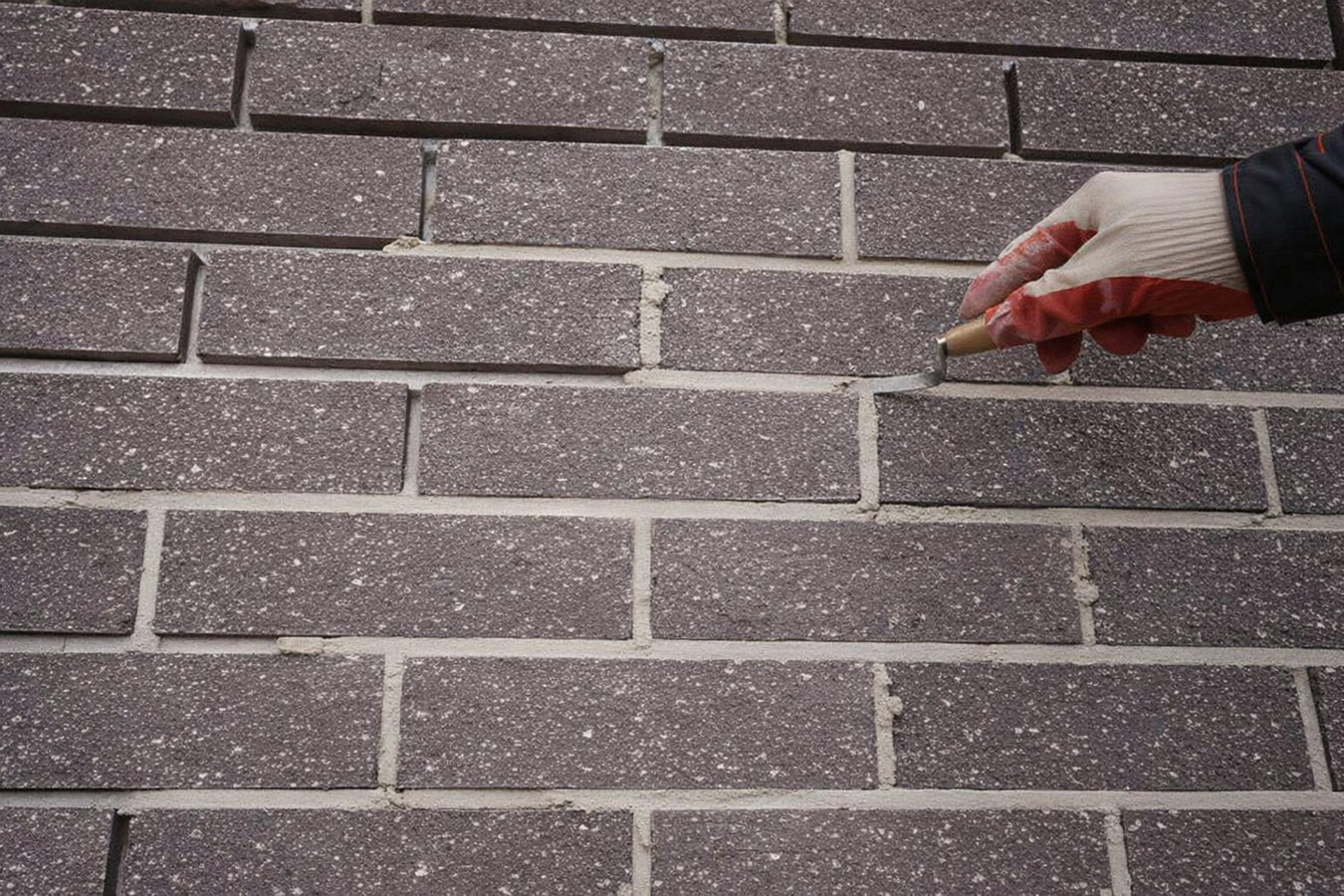
Crumbling mortar joints are one of the most common ways water gets into a Trenton home. We remove the worn mortar, match the new mix to your home's age, and pack the joints tight - so your walls stay dry through the next freeze-thaw season.
Brick pointing in Trenton, NJ is the process of removing old, crumbling mortar from the joints between bricks and replacing it with fresh mortar - most focused repair jobs on a single chimney or wall take one to three days, while a full rowhouse exterior can run four to five days depending on access and height.
The mortar is softer than the brick by design. It absorbs the stress of freezing and thawing so the bricks themselves do not crack. In Trenton, where temperatures swing repeatedly above and below freezing from November through March, that mortar takes a beating every winter. Trenton's residential neighborhoods - including Chambersburg, Hiltonia, and Mill Hill - are filled with brick rowhouses and detached homes built between the 1880s and 1950s, and older brick requires a softer mortar mix than modern construction uses. Using the wrong mortar on an old Trenton home can damage the bricks over time rather than protecting them.
If your home has both worn mortar joints and larger structural concerns, our foundation repair service handles issues below grade where water entry is often most damaging. For homes where mortar wear extends to decorative joints and historic pointing patterns, our tuckpointing service covers the finish technique used to create a clean, two-tone joint profile on older masonry.
Run a finger along the joints between your bricks. If the mortar feels soft, sandy, or crumbles away, it is past its useful life. Small gaps where mortar has fallen out entirely are direct pathways for water to get inside your wall. This is one of the most common issues on Trenton homes built before the 1950s, where original mortar has simply reached the end of its lifespan.
That chalky white residue - called efflorescence - appears when water moves through your wall and carries dissolved salts to the surface. Worn mortar joints are one of the most common causes. In Trenton, where older brick walls face heavy winter moisture, this staining often shows up on north-facing or shaded walls first and tends to worsen each spring.
Step back and look at your wall from an angle. If the mortar sits noticeably deeper than the brick face - more than a quarter inch - the outer layer of mortar has eroded away. This is especially common on Trenton rowhouses where original mortar from the early 1900s has reached the end of its useful life and needs to be refreshed.
After a Trenton winter with multiple freeze-thaw cycles, check your exterior walls in early spring. Cracks that follow the mortar lines rather than cutting through the bricks are a classic sign that moisture got in and expanded during freezing. These cracks will only grow larger with the next winter if left unaddressed.
We provide brick pointing and repointing for residential properties throughout Trenton - chimneys, rowhouse exteriors, party walls, foundation courses, and brick steps. Every job starts with an on-site assessment of the existing mortar. For older homes, that assessment determines the composition and hardness of the original mortar so the new mix is matched correctly. Using a harder modern mortar on a pre-war Trenton brick home is one of the most common mistakes in the trade - it transfers stress into the bricks rather than absorbing it. For properties where pointing work also reveals underlying brick damage, our tuckpointing service handles the finish detailing that restores a clean, historic joint profile.
For homes where worn mortar joints are accompanied by signs of water entry at the foundation level, our foundation repair service addresses the below-grade element before it becomes a structural problem. We handle permit coordination for any project requiring scaffolding on Trenton's sidewalks or streets - a common need on the narrow rowhouse blocks in Chambersburg and Mill Hill - and we provide written, itemized estimates before any work begins.
For chimneys where freeze-thaw cycles have cracked or eroded the mortar joints - cutting out the old material and repacking with a mix matched to the chimney's age and brick type.
For Trenton rowhouses where one or more exterior walls show worn joints, sunken mortar, or visible cracking - a systematic repair from foundation course to roofline.
For the lower courses of brick near grade, where ground moisture and aging drainage infrastructure accelerate mortar wear - a focused repair before water works its way inside.
For shared walls between attached homes where joint failure on one side can push moisture through to the interior - addressed with care for both properties.
For front stoops and entry steps where mortar between bricks has crumbled away - repointing to close open joints before freeze-thaw cycles widen them further.
For homeowners unsure how much of their wall needs work - a close inspection to map the extent of joint wear and a targeted repair limited to the areas that need it.
Two factors make brick pointing a higher priority in Trenton than in many comparable markets. First, the climate. New Jersey winters bring repeated freeze-thaw cycles - temperatures drop below freezing at night and rise above it during the day, sometimes dozens of times in a single winter. Each cycle pushes moisture deeper into worn mortar joints, then expands it when it freezes. A wall that looked fine in October can show real damage by March. Second, the housing stock. Trenton's residential neighborhoods are dominated by brick rowhouses and detached homes built between the 1880s and 1950s - one of the oldest concentrations of brick housing in New Jersey. Original mortar from the early 1900s has simply reached the end of its designed lifespan on many of these properties, and each winter that passes without repair accelerates the damage.
Parts of Trenton also have aging stormwater infrastructure, which means more ground-level moisture around foundations and lower walls after heavy rain. Combined with the city's older housing stock, this creates conditions where the lower courses of brick near grade tend to show mortar wear earlier than the upper sections. We serve homeowners throughout Trenton and in neighboring Ewing, NJ and Hamilton, NJ, where similar pre-war brick homes face the same pressure from cold winters and aging mortar.
Tell us where the problem is - which wall, how high up, and whether you have noticed any water getting inside. We reply within one business day and schedule an in-person look, because the condition of the existing mortar and the height of the work area both affect the cost and timeline.
We walk the affected area and check the mortar joints closely - how deep the wear goes, whether the bricks themselves are damaged, and what the original mortar is made of. For older Trenton homes, this step matters a lot. You receive a written estimate that breaks down the scope and price before any work is scheduled.
The mason grinds or chisels out old mortar to a consistent depth - this is the noisiest part of the job. Once the old material is out, fresh mortar is carefully packed into the joints by hand. A good mason works methodically and keeps the brick faces clean throughout to avoid smearing.
When the work is done, we sweep up debris and walk the finished wall with you before we leave. Fresh mortar needs 24 to 48 hours before it should get wet, and up to a month before power washing. The mortar will lighten as it cures - that is normal and expected.
Free written estimate. No pressure. We reply within one business day.
(609) 913-9756Trenton's older brick homes need a softer mortar mix than modern construction uses. Using a hard modern mortar on pre-war brick transfers stress into the bricks and causes them to crack over time. We assess the existing mortar before mixing anything new and match the composition to what your home was built with - protecting the bricks rather than quietly damaging them.
Work that requires scaffolding on Trenton's narrow sidewalks may need a permit from the city. We handle that process for you - so there are no delays on the day work is scheduled to start and the job stays legally above board. A contractor who is unfamiliar with this step has probably not worked much in Trenton's denser neighborhoods.
New Jersey requires all home improvement contractors to register with the state Division of Consumer Affairs before working on your property. We carry that registration. You can verify any contractor's status on the Division's website in about 30 seconds - and we encourage you to do so. See the NJ Division of Consumer Affairs at njconsumeraffairs.gov/hic.
One of the most common fears homeowners have is paying for work they cannot evaluate. When the job is finished, we walk the completed wall with you and show you exactly what was done - joint depth, mortar color, any areas to watch. You leave the conversation feeling confident, not just hopeful that the work was done right.
For homeowners in Trenton with pre-war brick, the quality of the pointing job matters more than in newer construction - because the mortar and brick are working as a system designed over a century ago. The Brick Industry Association and the National Park Service Preservation Briefs both publish guidance on proper repointing technique for older masonry - ask any contractor you consider whether they are familiar with those standards before you sign anything.
When water entry through worn joints has reached the foundation level, structural repair below grade stops the damage before it escalates.
Learn MoreA finish technique for older brick that creates a clean two-tone joint profile - restoring both the function and the historic appearance of pre-war masonry.
Learn MoreFall booking slots fill fast - lock in your date before the cold weather closes the window for this season's repair work.