Loading...
Serving Trenton, NJ and surrounding areas. (609) 913-9756
Trenton Concrete and Masonry serves Princeton homeowners with stone veneer installation, tuckpointing, and foundation repair on Colonial and Victorian-era homes - a crew with direct experience on central New Jersey's older housing stock, responding to all Princeton inquiries within one business day.
Trenton Concrete and Masonry serves Princeton homeowners with stone veneer installation, tuckpointing, and foundation repair on Colonial and Victorian-era homes - a crew with direct experience on central New Jersey's older housing stock, responding to all Princeton inquiries within one business day.
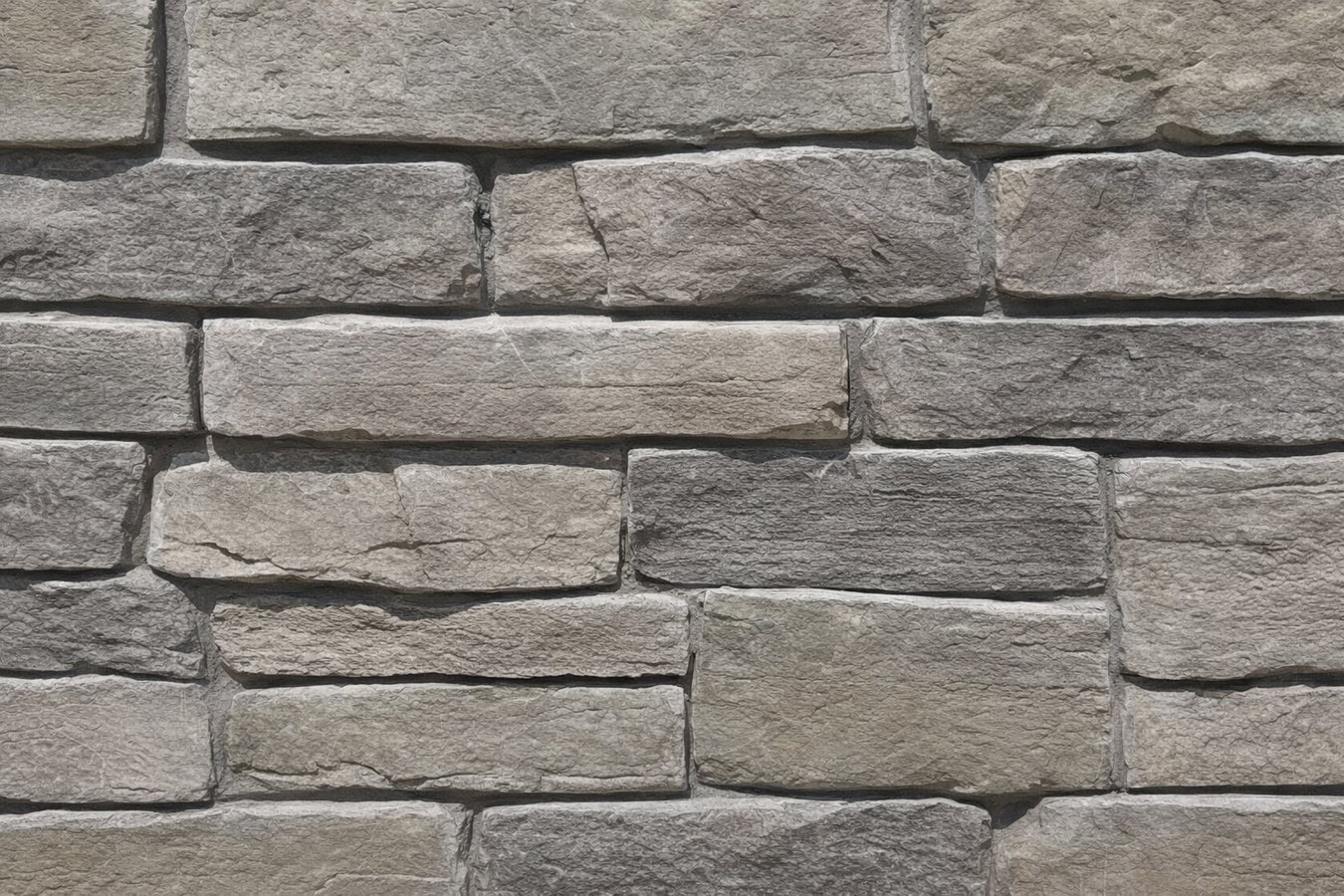
Princeton homeowners with pre-1960 Colonials and brick Victorians often use stone veneer to update an older facade, add a natural material look to a foundation section, or refresh a fireplace surround without the weight and cost of full stone masonry. The substrate conditions on older Princeton homes - original plaster, aging wood lath, or uneven historic brick - require careful preparation before veneer can be applied durably. Our stone veneer installation work accounts for what is already there rather than assuming a uniform modern substrate.
Many of Princeton's older brick homes near Nassau Street and the university campus were built with soft lime mortars that are now recessed, crumbling, or completely gone in sections. Repointing with the correct lime-based mix is essential on historic Princeton brick - hard Portland cement mortar on a century-old wall forces stress into the brick face and causes cracking and spalling that is expensive to fix.
Princeton's older homes commonly have stone, rubble, or early concrete block foundations that have been in the ground for 80 to 120 years. The Millstone River and Stony Brook run near portions of Princeton, and low-lying areas near those waterways face real basement water intrusion risk after heavy spring rains. Catching cracks and active water entry early costs far less than addressing settled foundations or significant water damage after the fact.
Princeton homes on generous lots in neighborhoods like the Western Section and Riverside often have long driveways surrounded by mature trees whose root systems have pushed up asphalt or cracked concrete over decades. Paver driveways handle root movement and freeze-thaw expansion better than solid concrete slabs, and they can be releveled section by section without a full tear-out when root pressure shifts a small area.
Princeton's tree-lined residential streets produce large root systems that routinely lift and crack concrete and brick walkways. Replacing a failing walkway with a properly designed paver or natural stone path - with appropriate sub-base preparation and root management - gives Princeton homeowners a durable solution that will not require a complete redo in five years.
Princeton's older Colonial and Victorian homes frequently have original masonry chimneys - tall, imposing stacks built to serve wood-burning fireplaces in every room. After a nor'easter, those chimneys are the part of the house most likely to show cracked crowns, open flashing joints, or dislodged brick that allows water into the top of the wall before anyone notices the damage inside.
A significant portion of Princeton's housing stock was built before 1960, and many homes go back to the early 1900s or the late 1800s. The Colonial and Victorian-style homes that line Princeton's older neighborhoods were constructed with soft brick, lime mortar, and stone or rubble foundations - materials that behave differently from modern construction and require a contractor who knows how to work with them. High home values in Princeton mean homeowners here tend to invest in maintaining their properties, but that investment can be undermined quickly by a repair approach that is not compatible with the original materials. Hard Portland cement mortar applied to a 100-year-old lime mortar wall is a common mistake that leads to spalling brick and water intrusion within a few seasons.
Princeton receives close to 47 inches of rain per year, and the freeze-thaw cycle from December through March is a reliable annual source of stress on masonry, concrete, and foundations. The Millstone River and Stony Brook watershed adds a flooding risk for low-lying properties near those waterways, particularly after the heavy spring rain events that are common in central New Jersey. Princeton's famous tree canopy, while beautiful, contributes its own set of masonry problems - root systems push under concrete flatwork, clog drainage, and drop heavy limbs on roofs and chimneys during nor'easters. The combination of old materials, a challenging climate, and a heavily wooded environment makes regular masonry upkeep genuinely important for Princeton homeowners rather than optional.
Our crew works throughout Princeton regularly, and the pre-1960 brick and stone home is the property type we encounter most often here - single-family homes on generous lots with mature trees, long driveways, and older masonry that has been through many decades of freeze-thaw cycling and storm exposure. Princeton is a compact borough where a single block can have a wood-frame Colonial built in 1910, a brick Victorian from the 1890s, and a mid-century ranch from the 1950s - each one requiring a different material approach for any masonry repair or improvement.
Princeton is anchored by Princeton University, which sits at the center of town and shapes the mix of owner-occupied homes, faculty housing, and rental properties that coexist throughout the borough. Nassau Street runs along the university's edge and is the city's commercial spine. Many of the most intact older residential blocks are just off Nassau Street and in the neighborhoods to the west and south. The Princeton Battlefield State Park sits on the edge of the borough and marks the landscape where the residential streets give way to more open land. We also regularly serve the nearby community of Hightstown, which shares many of the same Mercer County climate conditions.
If you own a home in Princeton and want an honest assessment of what masonry work it needs - without being pushed toward work that is not necessary - call us or fill out the form below. We will respond within one business day.
Reach us by phone or through the form on this page. We reply to all Princeton inquiries within one business day and do not use call centers or third-party scheduling services.
We visit your Princeton property, assess the masonry in person, and provide a written estimate with the scope and price clearly stated. On older Princeton homes, we check mortar composition before any repointing estimate to make sure the repair approach is compatible with the existing materials - no verbal ballparks.
We handle permitting for structural work and any project requiring Princeton Historic Preservation Commission review. Many Princeton homeowners are away during the day, and we are accustomed to completing work reliably without requiring the homeowner to be present throughout the job.
When work is complete, we walk through the finished job with you and clean up the site before leaving. If anything needs adjustment, we take care of it before closing out.
We serve Princeton homeowners with no-obligation on-site assessments. Call us or fill out the form and we will respond within one business day.
(609) 913-9756Princeton is a compact borough of around 30,000 residents in Mercer County, situated roughly halfway between New York City and Philadelphia and easily accessible from Route 1 and the New Jersey Turnpike. The borough is anchored by Princeton University, one of the oldest universities in the United States, which sits at the center of town and defines much of the city's character, economy, and architectural landscape. Home values here are consistently among the highest in New Jersey, reflecting the combination of an internationally recognized university, well-maintained older neighborhoods, and strong commuter access to both major metro areas. The Princeton Battlefield State Park on the edge of the borough marks the site of the 1777 Battle of Princeton and provides a well-known local open space just beyond the residential streets.
Princeton's housing stock is predominantly older single-family homes - Colonial, Victorian, and Craftsman styles built before 1960 dominate the residential neighborhoods closest to the university, while larger lots with more recent construction appear in outlying areas like the Western Section. Many homes near campus have been converted to multi-unit rentals over the decades, creating a varied maintenance history on individual properties. The tree-lined streets and mature landscaping that make Princeton visually distinctive also create real masonry challenges - root systems that lift walkways, branches that damage rooflines, and debris that accelerates wear on gutters and flashing. Neighboring Lawrence Township connects Princeton to the Route 1 corridor, and we serve both communities as well as nearby Hightstown and the rest of central Mercer County.
Control erosion and reshape your landscape with a solid retaining wall.
Learn MoreBring aging brick, stone, and concrete back to their original condition.
Learn MoreAdd warmth and character with a professionally built masonry fireplace.
Learn MoreTransform any surface with beautiful, low-maintenance natural stone veneer.
Learn MoreBuild strong, versatile concrete block walls for any residential need.
Learn MoreSet a solid foundation block wall that will support your structure reliably.
Learn MoreCreate a durable outdoor kitchen built to handle weather and daily use.
Learn MoreBuild classic brick walls that add privacy, structure, and lasting value.
Learn MorePrinceton's older homes need masonry contractors who understand historic materials and how to work in central New Jersey's climate. Call us today or get a free estimate.