Loading...
Serving Trenton, NJ and surrounding areas. (609) 913-9756
Cracked, leaning, or leaking foundation walls are a structural problem that gets worse every winter. We install foundation block walls in Trenton with proper footings, exterior waterproofing, and city permits so your basement stays dry and your home stays solid.
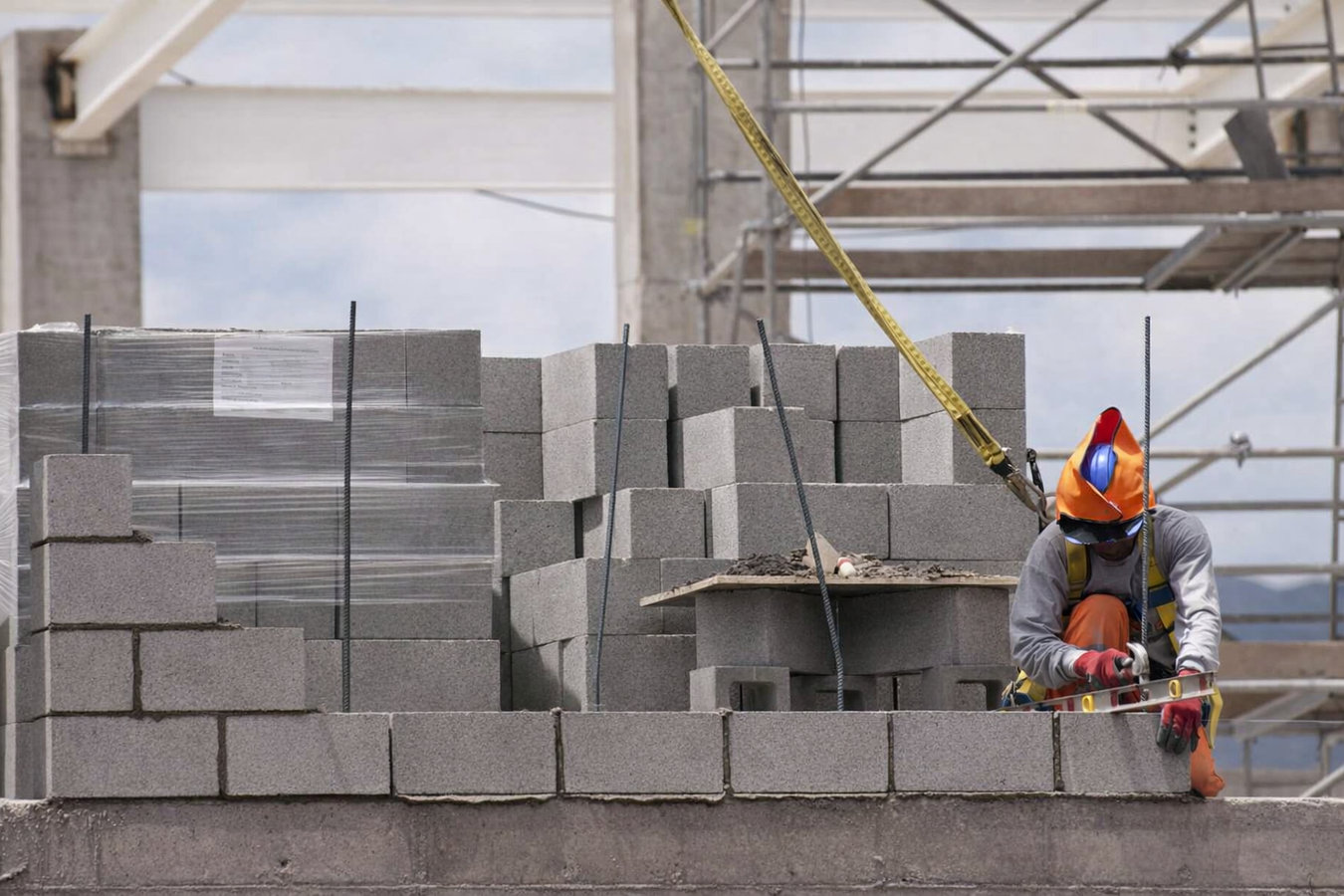
Foundation block wall installation in Trenton, NJ involves building or replacing the load-bearing concrete masonry walls that support your home from the basement up, starting with a concrete footing poured below the frost line and finishing with exterior waterproofing before the soil goes back. A standard full-basement perimeter for a typical Trenton row home takes most crews three to seven days on-site, plus permit processing and inspection time on either end.
This is structural work, which means the quality of what is buried underground matters as much as what you can see. The footing beneath the wall spreads the load across the soil below - if it is too shallow, Trenton's freeze-thaw cycles will push it out of position. The waterproofing applied to the exterior face of the wall before backfilling is the only barrier between the clay-heavy Mercer County soil and your basement interior. Skipping either step is the main reason Trenton basements leak and block walls fail within a decade of installation.
If your property needs a structural wall but at ground level or above for slope retention, our outdoor kitchen masonry and related masonry work covers above-grade structural applications, while foundation repair addresses existing walls that are cracked or bowing but do not yet need full replacement.
Cracks that run sideways across your basement wall, especially ones wider in the middle than at the ends, signal the wall may be bowing inward under soil pressure. In Trenton's clay-heavy soils, that pressure builds up over decades - particularly after wet winters. A horizontal crack is more urgent than a vertical one and usually means the wall needs a professional assessment soon.
Stand at one end of your basement and look down the length of the wall. If it curves toward you rather than standing straight, the wall has moved. This is a structural problem that tends to get worse through Trenton's repeated freeze-thaw cycles rather than stabilizing on its own. The longer it is left, the more expensive the repair becomes.
Damp patches, white chalky deposits, or water trickling through your basement wall after heavy rain or spring snowmelt means the waterproofing has failed. Trenton's proximity to the Delaware River floodplain and its clay soils mean groundwater pressure can be significant, and a wall that leaks will not improve on its own.
Run your hand along the mortar joints between the blocks. If it crumbles when you press it or has fallen out in spots, the wall has lost some of its structural integrity. Many Trenton homes built before 1940 have mortar that has simply reached the end of its lifespan - and once the mortar goes, the blocks start to shift.
We install new foundation block walls and replace failing ones for residential properties throughout Trenton and the surrounding region. Every project begins with a site assessment that looks at soil conditions, footing depth, drainage, and any existing structures nearby that could be affected. For homeowners who also need outdoor masonry work once the foundation is addressed, our outdoor kitchen masonry service handles above-grade permanent masonry structures in the same backyard. For foundation walls that have cracked or bowed but are not yet at the point of full replacement, our foundation repair service is often the more appropriate and cost-effective option.
Waterproofing is included on every below-grade wall project - not as an add-on, but as a standard part of the job. The exterior face of the wall gets a waterproof coating or membrane before the soil goes back, because once it is buried, that is the last opportunity to protect it. Drainage gravel and perforated pipe at the base of the footing channels groundwater away from the wall before it can build up pressure. Before any excavation begins, we coordinate utility marking through New Jersey 811, and we apply for all required building permits through the City of Trenton Construction Code Office.
For additions, basement expansions, or properties that need a full new foundation wall built from footing to top plate.
For Trenton homes where the existing block wall has deteriorated beyond repair - tearout, drainage upgrade, new footing, and fresh construction.
For any below-grade wall - waterproof membrane applied to the exterior face before backfilling, the only permanent way to keep a basement dry.
For projects where the concrete footing beneath the wall has failed or was never adequate - poured to the depth required by New Jersey's frost line.
For walls in Trenton's clay-heavy soil - gravel backfill and perforated pipe at the base to channel groundwater away from the foundation.
For all structural foundation work in Trenton - we apply for the permit and schedule the city inspection so you have documented proof the work was done to code.
A large share of Trenton's residential neighborhoods - Chambersburg, South Trenton, Mill Hill, and the Wilbur section - were built between the 1880s and the 1950s, when poured concrete block was the standard foundation method. That means most of the block walls in this city are between 60 and 140 years old. They were built before modern drainage standards, with mortar that has long since reached the end of its lifespan, and often without the waterproofing membranes that are now standard practice. Trenton's freeze-thaw climate - repeated cycles of freezing and thawing from November through March - adds continuous stress to every foundation wall in the city, year after year. The National Concrete Masonry Association sets the industry standards for block wall construction that govern how this work is done correctly.
Trenton's soil conditions add another layer of complexity. Much of Mercer County sits on clay-heavy soil near the Delaware River floodplain, and clay holds water against your foundation wall for weeks after a storm. That sustained pressure is what causes block walls to crack, bow, and eventually fail - and it is the reason that drainage cannot be an afterthought on any foundation job in this area. We serve homeowners throughout Trenton's surrounding communities, including Hamilton, NJ and Hightstown, NJ, where older housing stock and similar soil conditions create the same foundation challenges as in Trenton proper.
We respond within one business day. We will ask a few questions about the wall - size, whether it is a new install or replacement, and what you have noticed. This helps us schedule the right site visit and give you a realistic picture of scope before anyone comes out.
We visit your property and assess soil conditions, drainage, footing depth, and any existing structural issues nearby. What we find directly shapes the drainage design and footing specification. You receive a written estimate that separates labor, materials, waterproofing, drainage, and permit fees.
We apply for the building permit through Trenton's Construction Code Office and coordinate utility marking through NJ 811 before any digging starts. Permit processing typically takes one to two weeks. Once approved, the crew excavates around the foundation and prepares the concrete footing.
After the footing cures, we lay blocks course by course, apply exterior waterproofing, install drainage at the base, and carefully backfill. The city inspector then signs off on the finished work. We do a final walkthrough with you to review the wall and hand over all permit documentation.
We visit your property in person, assess the soil and drainage conditions, and give you a written estimate before any work is scheduled. No obligation.
(609) 913-9756Every below-grade block wall we install gets a waterproof membrane applied to the exterior face before the soil goes back. This is the only permanent way to keep a Trenton basement dry - and it is the step most contractors skip when trying to win a job on price. Once the wall is buried, there is no fixing a missed waterproofing layer without excavating again.
Trenton's freeze-thaw winters require footings to sit below the depth at which the ground freezes - typically 36 inches or more below the surface. A footing shallower than that will shift over time as the ground expands and contracts, taking the wall above it with it. We do not adjust footing depth to lower a bid.
Many of Trenton's homes were built before 1940, and replacing part of an existing wall means understanding how older block sizes and mortar types need to integrate with new construction. We assess what is already there before quoting, because the existing conditions determine what the new work needs to do.
We apply for all required building permits through the City of Trenton and coordinate the post-construction inspection on your behalf. You receive copies of the permit and the inspection sign-off - documentation that protects your home's value and gives a future buyer or inspector a clear record of the work.
New Jersey requires all contractors doing structural work on residential properties to be registered with the NJ Division of Consumer Affairs as a Home Improvement Contractor, which you can verify online before signing anything. That registration, combined with a properly pulled permit and a passed city inspection, gives you three layers of protection on a job that is literally holding your house up.
Permanent masonry outdoor kitchens built with the same frost-proof foundations and code-compliant approach we bring to structural below-grade work.
Learn MoreFor block walls that are cracked or bowing but not yet at the point of full replacement - repair and stabilization that restores structural integrity.
Learn MoreSpring project slots fill fast - reach out now so your foundation work gets done in the ideal installation window before summer heat arrives.