Loading...
Serving Trenton, NJ and surrounding areas. (609) 913-9756
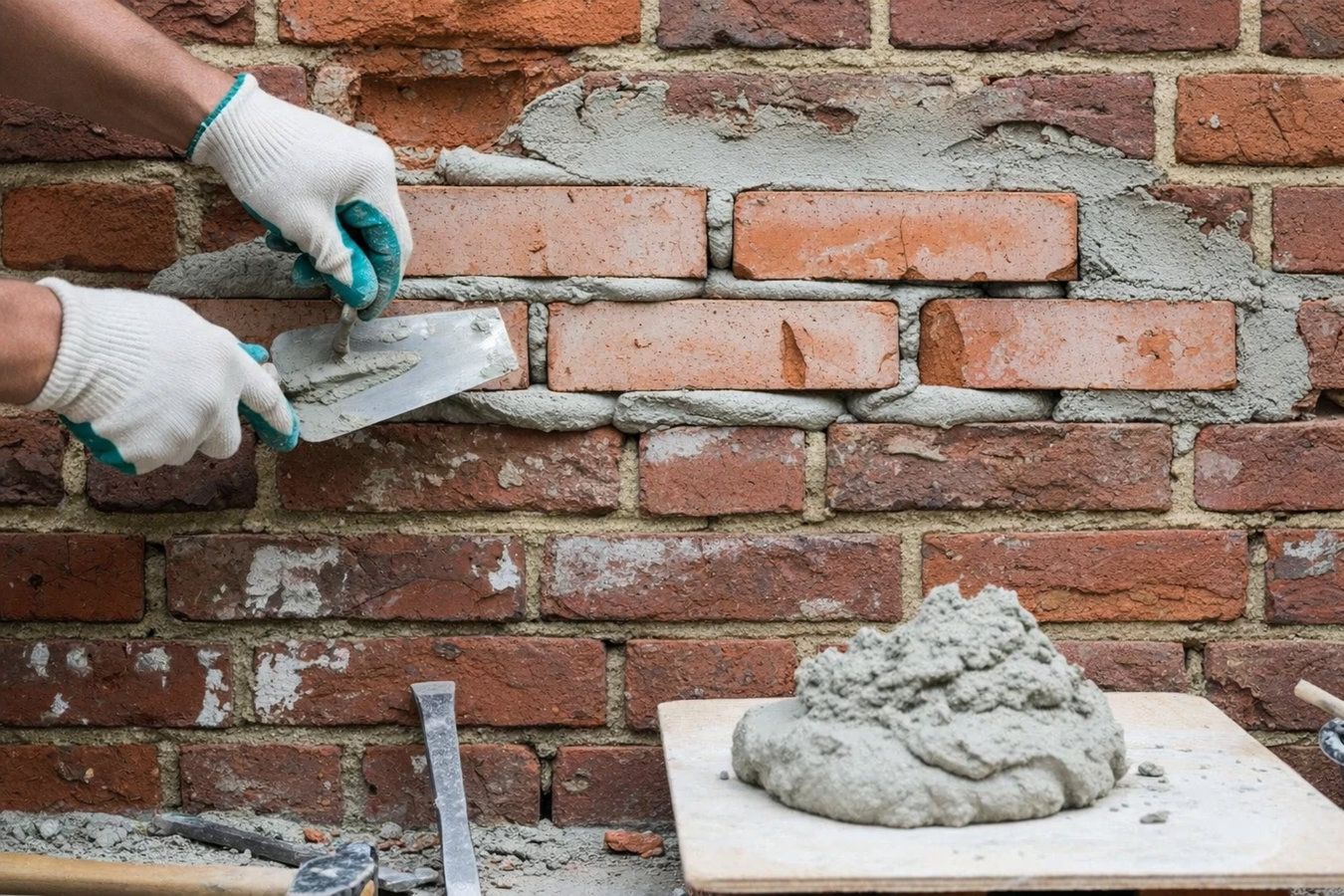
Cracked bricks and crumbling mortar let water in. We replace damaged material and seal your wall with the right mortar mix for Trenton homes.
Cracked bricks and crumbling mortar let water in. We replace damaged material and seal your wall with the right mortar mix for Trenton homes.
Brick repair in Trenton covers replacing cracked or crumbling bricks, refilling deteriorated mortar joints, and stabilizing sections of wall that have shifted - most jobs take one to three days and the sooner the work is done, the cheaper the repair.
In Trenton, most homes were built before 1950 - and once the mortar joints fail on those older walls, water gets behind the bricks. Every freeze cycle that winter pushes the wall apart a little more. A $500 repointing job left for two or three winters can become a $3,000 wall rebuild. If the mortar has already failed in multiple sections, our tuckpointing service handles the joints throughout the wall in one pass.
Water is the main cause of brick damage in Trenton. The freeze-thaw cycles that run from December through early spring are relentless on mortar and brick alike. Catching problems early - at the mortar stage, before bricks themselves crack - is almost always the less expensive path.
White, chalky streaks in spring mean water has been moving through the wall and leaving mineral deposits behind as it dries. This is called efflorescence, and it almost always means your mortar joints are failing. In Trenton's climate, this often appears after a hard winter on north-facing walls - an early warning sign before bricks themselves crack.
Run your finger along the mortar lines between bricks. If the material feels sandy or crumbles away, it has lost its ability to keep water out. This surface erosion is very common on Trenton homes where the original mortar is now 70 to 100 years old and has simply worn out.
When the face of a brick starts to peel or pop off in layers, the brick has absorbed too much water and the freeze-thaw cycle has broken it apart from the inside. This is more serious than mortar erosion alone - at least some bricks need to be replaced, not just repointed. Left alone, this kind of damage spreads to neighboring bricks.
Cracks that follow the mortar joints diagonally across the face of a wall often signal that the wall has shifted slightly, either from soil movement or a settling foundation. This is worth having a mason look at promptly, because stair-step cracking can indicate a structural issue rather than just surface wear.
We handle the full range of brick repair work: mortar joint repointing, individual brick replacement, chimney repair, and stabilizing sections of wall that have started to separate or shift. When only the mortar has failed and the bricks are intact, we repoint the joints and match the mortar color as closely as possible to the existing wall. When bricks themselves are cracked, spalling, or missing chunks, we remove them and set new ones in their place. For walls where mortar has deteriorated throughout multiple sections, our tuckpointing service addresses the full scope in one visit.
We also provide driveway paver installation for homeowners who want to address multiple masonry needs at once. Every brick repair job includes color and texture matching for the mortar - we assess the existing material before mixing anything so the repair blends in rather than looking like a patch.
For homes where the mortar has worn out but the bricks themselves are still sound - the most common and cost-effective repair.
Suits walls where specific bricks are cracked, spalling, or have broken apart from water damage and freeze-thaw stress.
For chimneys where mortar gaps, cracked bricks, or missing material are allowing water into the flue or down into the home.
Best for walls that show diagonal cracking along the mortar joints, indicating settling or minor structural movement that needs stabilization.
Trenton's housing stock is dominated by brick row houses and detached brick homes built between the 1880s and the 1940s. These homes were built with softer, lime-based mortar that was designed to flex slightly with the building as temperatures change. Using modern, high-strength Portland cement mortar on these walls forces the bricks - which are softer than modern bricks - to absorb all the stress instead of the mortar. Over time, this causes the bricks themselves to crack, which is harder and more expensive to fix than a mortar repair. A contractor who does not account for this can make your wall worse, not better.
Trenton's freeze-thaw winters create steady demand for brick repair every spring, and the wet seasons that come with sitting near the Delaware River keep moisture in the walls longer than in drier climates. We work across the area, from Bordentown to Princeton, and understand the kinds of homes and conditions that drive repair needs in each community. Parts of Trenton near the Mill Hill Historic District may also have considerations about materials and methods - we know how to navigate those situations.
Call or submit a request online and describe the problem - white staining, crumbling mortar, missing chunks, or cracks. We respond within one business day and schedule a free on-site estimate. You do not need to diagnose the issue yourself.
We inspect the damaged area, check both the mortar and the bricks, and assess whether the damage is cosmetic or structural. For older homes, we examine the existing mortar to plan the right mix. You receive a written estimate with the scope of work and total cost before anything is scheduled.
Old or damaged mortar is carefully removed with a grinder or chisel without disturbing surrounding bricks. New mortar is packed in layers and shaped to match the original joint profile. Damaged bricks are removed and replaced with matched material. Expect noise and some dust around the work area - the job stays outside.
The crew cleans up debris before leaving and walks you through the finished repair. Fresh mortar needs 24 to 48 hours before it can get wet and up to 28 days to reach full strength. Your contractor will tell you what to avoid during the curing period.
Free estimate, written scope, no obligation. We reply within one business day.
(609) 913-9756Pre-1950 brick homes need a softer, lime-compatible mortar mix. We assess the existing material before mixing anything - so the repair does not cause the bricks themselves to crack over time. This is the most common mistake made on older masonry and one we specifically guard against.
New Jersey law requires home improvement contractors to register with the Division of Consumer Affairs before working on residential properties. Our registration is public and verifiable. It gives you real legal recourse if anything goes wrong - protections you do not have with an unregistered crew.
One of the most common complaints after brick repair is mismatched mortar color. In Trenton's older neighborhoods, where brick and mortar have decades of weathering, a mismatched repair stands out badly. We take the time to match the mortar color and texture to the existing wall so the finished repair looks like it belongs.
You receive a written, itemized estimate before work begins. If something unexpected comes up during the job - a brick that looks fine from outside but is compromised underneath - we stop and talk to you before adding scope. The price you agree to is the price you pay.
Getting the mortar right is the most important part of any brick repair job on an older home. The National Park Service Preservation Briefs cover this in detail - mortar compatibility with historic brick is a well-documented issue, and we follow those guidelines on every repair we do in Trenton.
Replace a cracked or deteriorated driveway with durable pavers that hold up to Trenton winters and add curb appeal.
Learn MoreWhen mortar has deteriorated throughout a wall but the bricks are still sound, tuckpointing addresses the full scope in one pass.
Learn MoreCall or submit a request for a free estimate today. Written scope, no pressure, and a reply within one business day.