Loading...
Serving Trenton, NJ and surrounding areas. (609) 913-9756
Leaning walls and failing drainage are costing you yard and peace of mind. We build concrete block walls in Trenton with frost-depth footings and proper drainage so they stay straight through New Jersey winters.
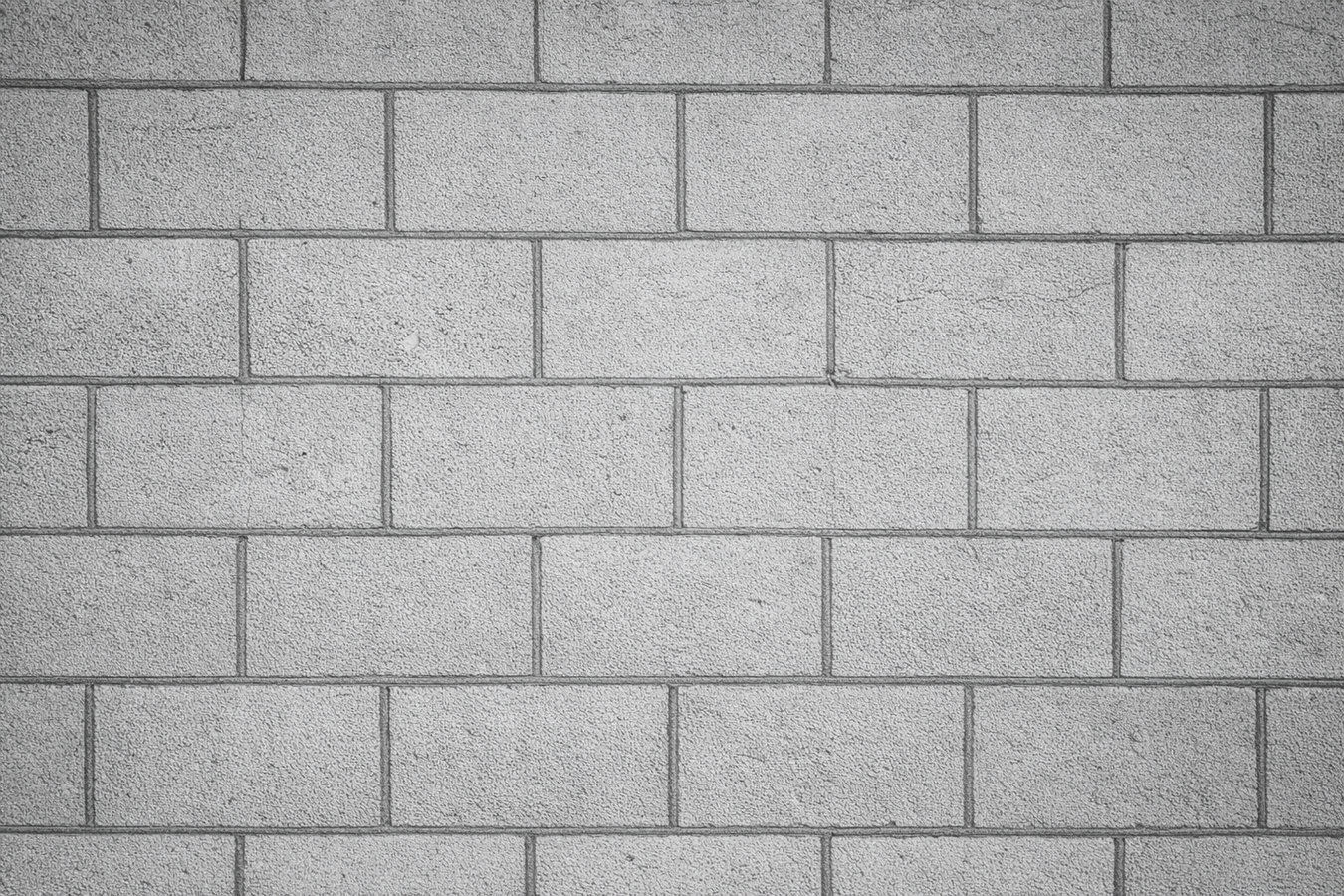
Concrete block walls in Trenton, NJ are built by stacking interlocking blocks bonded with mortar on a deep concrete footing, creating a sturdy structure that can hold back a slope, define a property boundary, support a raised bed, or form the basement walls of an addition. A straightforward garden or boundary wall up to 30 feet long and 4 feet tall usually takes a crew one to three days on-site, plus the footing cure time before block-laying can begin.
The part most homeowners never see - the footing and drainage system - determines whether the wall is still standing in 50 years or cracked and leaning in five. In Trenton, footings need to reach at least 36 inches below ground so freeze-thaw cycles cannot push the base out of position. For retaining walls holding back a slope, drainage gravel and perforated pipe behind the wall is not optional - water pressure builds up and no amount of good block work will hold against it indefinitely.
If the wall you need is part of a larger foundation or basement project, our retaining wall construction service covers larger-scale slope stabilization for properties where erosion and drainage are the primary problem to solve.
Stand back and look at your wall from the side. If the top is tilting away from the slope it holds back, or if the face looks curved rather than flat, the wall is under stress it was not designed for. In Trenton's clay-heavy soils, this often happens when drainage behind the wall has failed and water pressure has built up over years. Left alone, a leaning wall eventually falls.
Hairline cracks in mortar joints are normal over time, but diagonal cracks running through the blocks themselves signal the footing has shifted. This is especially common in Trenton's older neighborhoods where original walls were built without deep footings and are now feeling decades of freeze-thaw movement. A crack wide enough to fit a quarter into needs professional attention.
If you notice soil eroding from behind a retaining wall after heavy rain, or a gap forming between the base of the wall and the ground, the drainage system has failed. Trenton gets about 47 inches of rain per year, and without proper drainage behind the wall, that water has nowhere to go but through and around the structure.
If your yard drops more than two feet over a short distance and there is nothing holding that slope in place, you are losing soil every time it rains. Slopes without retaining walls also create safety hazards and can undermine nearby structures like patios, driveways, or fences over time. A concrete block wall is one of the most durable ways to stabilize a sloped Trenton yard.
We build new concrete block walls and replace aging ones for residential properties across Trenton and the surrounding region. Every project starts with an on-site assessment of the soil, slope, drainage conditions, and any existing structures nearby that could be affected. For homeowners whose property needs a basement wall or foundation-level structure, our foundation block wall installation service handles the structural and below-grade work that a standard garden or retaining wall does not cover.
Drainage is built into every retaining wall project - gravel backfill and perforated pipe go in behind the wall as we build, not as an afterthought once problems show up. We dig footings below the frost line so New Jersey's freeze-thaw cycles do not push the base out of position over the years. Before any excavation starts, we coordinate utility marking through New Jersey's 811 service. When permits are required - which they typically are for walls taller than four feet in Trenton - we file with the city and schedule the inspection.
For homeowners who need a retaining wall, boundary wall, or raised garden wall built correctly from the ground up.
For older Trenton properties with failing walls - tearout, drainage upgrade, new footing, and fresh construction.
For sloped yards where soil erosion or water pressure is actively damaging the property - drainage is always included.
For homeowners who want to define their property, create a garden structure, or replace an aging fence with something permanent.
For any block wall in New Jersey - footings poured to the required depth so the wall stays straight through winter ground movement.
For walls over four feet in Trenton - we apply for the permit and coordinate with the city inspector so you do not have to.
Trenton experiences around 90 or more freeze-thaw cycles per year between late November and early March - the ground repeatedly freezing and thawing over and over. That constant movement is the single biggest reason block walls crack or lean in this area over time. Any wall built here needs footings deep enough to sit below the frost line so the ground movement does not push the base out of position. Beyond the climate, much of Trenton's residential stock was built before 1960, meaning many properties already have block walls that are 60 to 80 years old - built before modern drainage standards and with mortar that has long since deteriorated. Mercer County also includes significant areas of clay-heavy soil near the Delaware River, which expands when wet and puts lateral pressure on retaining walls that was not always accounted for in older construction. The Portland Cement Association maintains guidance on concrete durability in freeze-thaw conditions that informs the materials and methods we use on every project.
We build concrete block walls for homeowners in Bordentown, NJ and Levittown, PA, where many of the same soil conditions, older housing stock, and seasonal stress patterns create the same wall failures as in Trenton proper.
We respond within one business day. We will ask about the slope, existing structures nearby, and roughly how long and tall the wall needs to be. This lets us schedule the right type of site visit and give you a realistic sense of timeline and scope before anyone visits.
We visit your property and assess the soil, grade, drainage conditions, and access. What we find directly affects the footing depth and drainage design. You receive a written estimate that separates labor, materials, permit fees, and drainage work so you can see exactly what you are paying for.
Before any digging starts, we file for the permit if required and coordinate utility marking through New Jersey's 811 service. Once the permit is in hand and utilities are marked, the crew excavates for the footing trench - the underground base the entire wall depends on.
After the footing cures, we lay blocks course by course and install drainage behind retaining walls as we go. When complete, the city inspector signs off and we do a final walkthrough with you to review the finished wall and any maintenance steps before we leave.
We visit your property, assess the soil and drainage in person, and give you a written estimate before any work is scheduled. No obligation.
(609) 913-9756Trenton sees repeated freeze-thaw cycles from November through March. We dig every footing to the depth required to stay below that frost line - not to the minimum that saves time. A wall with a shallow footing is a wall that will be cracked and leaning within a few years.
We install gravel backfill and perforated pipe behind every retaining wall we build. This is not an add-on and it is not optional - it is what keeps water pressure from building up and pushing the wall out over time. Most failing walls in Trenton lack this step entirely.
A large share of Trenton's residential housing dates to before 1960, and many of those properties have block walls that were built without modern standards. We assess the soil, existing drainage, and footing conditions on every project before quoting - because what is already there affects what the new wall needs to do.
We apply for building permits and coordinate city inspections on every project that requires them. You get the paperwork confirming the work was inspected and passed - which protects you at closing if a buyer or inspector ever asks about the wall's history.
Every contractor doing home improvement work in New Jersey is required to register with the NJ Division of Consumer Affairs, which gives you a formal avenue for complaints and verifies baseline compliance. Combined with permits, proper drainage, and frost-depth footings, these are the markers of a concrete block wall that will still be standing when the next owner of your home has it.
Below-grade and foundation-level block wall work for additions, basement extensions, and structural support beyond a standard garden or retaining wall.
Learn MoreLarger-scale slope stabilization for properties where soil erosion and water pressure require a more comprehensive drainage and wall system.
Learn MoreSpring and fall project slots fill fast - reach out now and lock in your date before the busy season books up.