Loading...
Serving Trenton, NJ and surrounding areas. (609) 913-9756
Trenton Concrete and Masonry serves Bristol Borough homeowners with retaining wall construction, tuckpointing, foundation repair, and masonry restoration - a locally owned crew with hands-on experience on the brick row homes and older structures that define this Delaware River borough, responding within one business day.
Trenton Concrete and Masonry serves Bristol Borough homeowners with retaining wall construction, tuckpointing, foundation repair, and masonry restoration - a locally owned crew with hands-on experience on the brick row homes and older structures that define this Delaware River borough, responding within one business day.
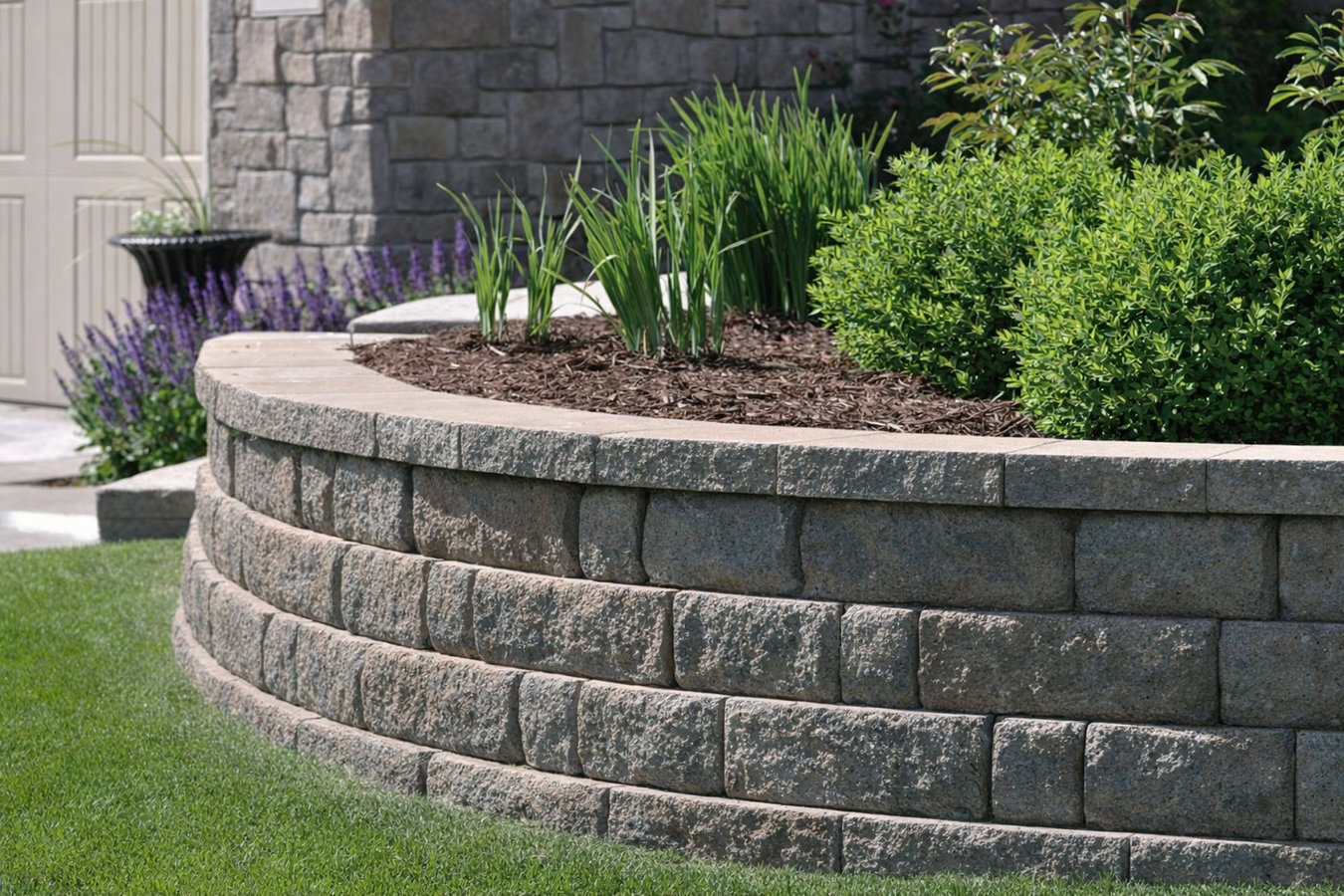
Bristol properties near the Delaware River and in low-lying areas of the borough deal with water pressure and soil movement that eventually pushes informal planting edges and older block walls out of line. Our retaining wall construction work accounts for the drainage requirements behind the wall, not just the face - which is what determines whether a wall stays in place through wet Pennsylvania winters.
Bristol row homes and attached brick structures from the 1800s and early 1900s have mortar joints that have been through well over 100 freeze-thaw cycles. Mortar in that age range is often a soft lime mix that deteriorates faster than the brick itself. Repointing with a properly matched mortar - softer than modern portland-heavy mixes - protects the brick without forcing stress back into the face.
Older Bristol homes sit on stone, rubble, or early-era concrete foundations that were not built to modern standards. Water infiltration from the high water table near the Delaware River and from decades of drainage issues is a common source of foundation cracking and deterioration in this borough. Catching foundation problems before water has been entering the structure for years keeps the scope of repair manageable.
The brick on older Bristol homes is often softer and more porous than modern brick - and when it has been repaired with a harder portland cement mortar over the years, the stress transfers into the brick face and causes spalling. Matching replacement brick to the original, and using the right mortar type for the age of the wall, is the difference between a repair that holds and one that creates new problems.
Bristol structures that have been patched and repaired by multiple owners over a century or more often end up with a mismatched exterior - different brick colors, incompatible mortar types, and visible repair lines that never blended. Full masonry restoration brings a wall or facade back to a consistent, period-appropriate finish that also protects the structure going forward.
In-town Bristol properties have small lots and tight front stoops where original concrete or brick walkways have cracked and settled after decades of freeze-thaw stress. Replacing a failed front walk with a properly graded paver or concrete path also addresses the drainage grade near the front of the home, which matters on narrow lots where water tends to pool against the foundation.
Bristol is one of the oldest boroughs in Pennsylvania, and the housing stock reflects that. A significant portion of homes in the borough were built before 1940, and many date to the late 1800s and early 1900s. These are not typical suburban homes - they are row houses and twin homes built with soft historic brick and lime mortar, often with stone or early concrete foundations, sitting on small in-town lots with minimal drainage infrastructure between them. Working on a home like this requires a different approach than patching a 1990s development house. The wrong mortar type, the wrong brick hardness, or the wrong drainage solution can damage the original material and create new problems within a few years.
Bristol's position on the Delaware River adds a layer of complication that is specific to this borough. Parts of Bristol sit in or near FEMA Zone AE flood areas, and even properties that have never experienced direct flooding can have elevated water tables and drainage challenges that a typical Bucks County suburb does not. The borough averages about 46 inches of rain per year, and the flat, low terrain in some sections means water moves slowly. For retaining walls, foundations, and any below-grade masonry, those conditions make proper drainage design part of the work - not an afterthought. Bristol winters also bring freeze-thaw cycling from December through March, which is hard on any masonry that holds moisture, and especially damaging to soft historic brick that has already been through over a century of it.
Our crew works throughout Bristol Borough regularly, and we understand the local conditions that affect masonry work here. The in-town streets near historic King Street have narrow lots and attached row homes where access for equipment is limited and noise and debris management matter more than on a suburban property with a wide side yard. The older sections of the borough - where the housing dates to the 1800s - require careful attention to material compatibility, because applying modern hard mortar to soft historic brick is one of the most common mistakes contractors make on properties like these. We are familiar with working in tight spaces on attached homes.
Bristol Borough sits along Route 13 and is close to the Delaware Canal State Park trail, which runs along the historic canal towpath through town. The borough has its own building department that handles permits for structural masonry work, and we pull from that office as needed. Properties near the waterfront and along lower streets in the borough are the ones most likely to have drainage-related masonry issues - and those are also the properties where we recommend addressing grading and drainage as part of any retaining wall or foundation project.
The neighboring community of Levittown is just to the northwest, and we work throughout both communities regularly. For homeowners in the wider Bucks County and lower Mercer County area, our location across the river means we are a practical choice on both sides of the Delaware.
Call us or submit a contact form describing the issue - a leaning wall, crumbling mortar, foundation crack, or whatever brought you here. We respond within one business day to schedule a visit at a time that works for you.
We come to the property, assess the full condition of the affected area, and give you a written estimate before any work starts. There is no charge for the estimate. For older Bristol homes, the assessment includes noting material types and whether drainage or moisture issues are contributing to the problem - because fixing the symptom without addressing the cause leads to repeat failures.
Once you approve the scope, we schedule the work and handle any permit requirements with Bristol Borough. Most tuckpointing and repair work on residential properties does not require a permit, but new retaining walls and structural masonry changes do. We coordinate that process so you do not have to.
We remove all debris, clean the work area, and walk through the completed job with you before we leave. On older properties where access between attached homes is limited, we take extra care to leave neighboring areas undisturbed.
Bristol homeowners reach us by phone or contact form - we respond within one business day and come to your property for a no-charge written estimate.
(609) 913-9756Bristol is a small borough of about 9,700 residents on the Delaware River in Bucks County, and it is one of the oldest towns in Pennsylvania. The borough was laid out in the late 1600s and served as a significant river port and industrial center through the 1800s. That history is visible in the built environment - the streets near the waterfront and around King Street still have 18th- and 19th-century structures standing, and the residential sections of the borough are dominated by the brick row homes and twin houses that were built to house the working families who kept the mills and factories running. The Delaware Canal State Park runs along the historic canal towpath through and near the borough, connecting it to a regional trail system along the river.
Today Bristol is a working-class suburb with roughly 55 to 60 percent owner-occupied housing. Most of the occupied homes were built before 1960, and a large portion predate World War II. Median home values are well below the Bucks County average, which reflects the older, smaller housing stock - but also means there are a lot of long-term owners who take the maintenance of their properties seriously. The borough is connected to Philadelphia by SEPTA regional rail and sits close to Route 13 and the Route 1 corridor. The nearby Morrisville area just across Bucks County and the larger Levittown community to the northwest are both active parts of our service area as well.
Control erosion and reshape your landscape with a solid retaining wall.
Learn MoreBring aging brick, stone, and concrete back to their original condition.
Learn MoreAdd warmth and character with a professionally built masonry fireplace.
Learn MoreTransform any surface with beautiful, low-maintenance natural stone veneer.
Learn MoreBuild strong, versatile concrete block walls for any residential need.
Learn MoreSet a solid foundation block wall that will support your structure reliably.
Learn MoreCreate a durable outdoor kitchen built to handle weather and daily use.
Learn MoreBuild classic brick walls that add privacy, structure, and lasting value.
Learn MoreFrom older King Street row homes to newer construction on the edges of the borough, our crew serves all of Bristol with the masonry work your property needs - call and we will schedule your estimate within one business day.