Loading...
Serving Trenton, NJ and surrounding areas. (609) 913-9756
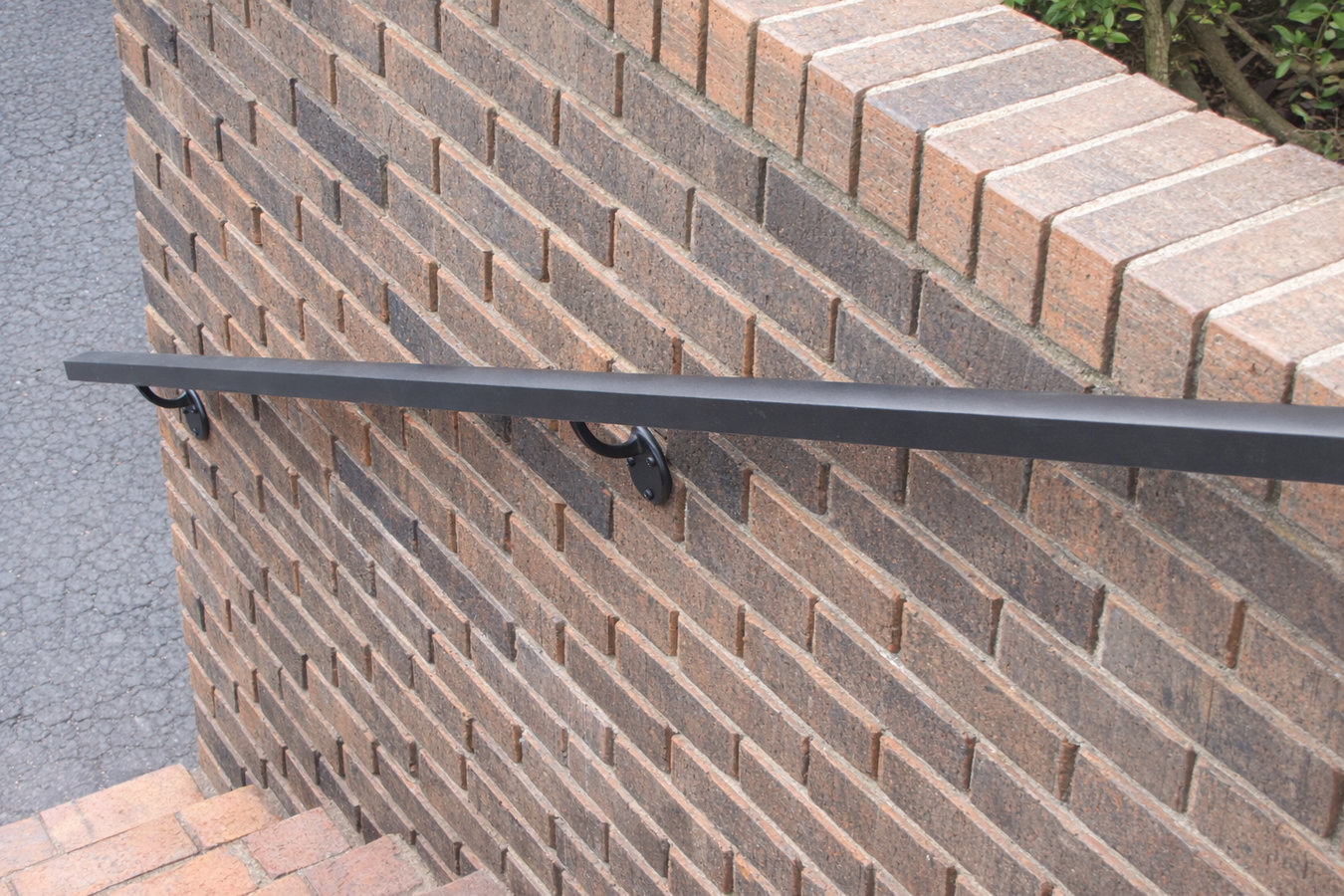
A brick wall that leans or cracks after a few winters was built without the right footing or drainage. We dig to the frost line, use the correct mortar for this climate, and handle permits - so your wall stands solid for decades, not just seasons.
Brick wall installation in Trenton, NJ means a mason digs a footing trench to stable ground, pours a concrete base below the frost line, then lays courses of brick in mortar up to the finished height - most residential garden walls and boundary walls take one to three days of bricklaying once the footing has cured.
The footing is the part of the job most homeowners never see - and the part most failed brick walls get wrong. Trenton experiences repeated freeze-thaw cycles through the winter, and the ground moves each time. A footing that is not dug deep enough to reach stable soil below that movement zone will shift, and the wall above it will follow. Parts of Trenton also sit on clay-heavy soil that expands when wet and contracts when dry - an additional force that pushes against any wall footing that is not sized and placed correctly.
For homeowners adding a brick wall alongside a paved path or driveway, our stone masonry service covers natural stone wall options that pair well with brick. For older homes where existing brick mortar needs repair before or after a new wall is added, our brick repair service handles repointing and structural brick restoration alongside any new work.
If a wall that used to stand straight now tilts or bows outward, the footing has shifted or the structure has been compromised. In Trenton, this often happens after a harsh winter or a wet spring when clay soil swells and pushes against the wall base. A leaning wall will not fix itself - and the longer it is left alone, the more expensive the repair or replacement becomes.
Run a finger along the joints on an older wall. If the mortar crumbles away easily or gaps are visible where it used to be, water is already getting in. Trenton's freeze-thaw winters accelerate this - once water enters a crack, it expands every time it freezes and makes the gap larger. A wall in this condition needs either repointing or, if the damage is widespread, full replacement.
If one section of your yard sits noticeably higher than another, or a garden bed is slowly spreading onto a path, a retaining wall is the right solution. Without one, soil erosion continues every time it rains and the slope becomes increasingly unstable over time. A brick retaining wall solves the problem permanently and gives the yard a clean, finished edge.
If your house has a brick foundation, chimney, or front steps, adding a matching garden wall or boundary wall ties the property together visually. This is a common project for Trenton homeowners with older homes where the original brick is a defining feature of the neighborhood. A mason who knows the local housing stock can help source brick that blends in rather than clashes.
We build permanent brick walls for residential properties throughout Trenton and the surrounding area. Every project begins with a site visit - ground conditions, soil type, drainage, and access all affect how the footing is designed and how the wall is built. For homeowners who want a natural stone option alongside or instead of brick, our stone masonry service offers dry-stack and mortar-set stone walls using the same frost-line footing approach.
Every wall we build starts with a footing designed for Trenton's frost depth - dug to stable soil below where the ground moves in winter. For retaining walls holding back soil, we include drainage behind the wall to prevent water pressure buildup, which is the leading cause of retaining wall failure in this region. We handle permit applications with the City of Trenton Division of Inspections for any project that requires them, and for homeowners with older homes who need brick matching, we source from suppliers carrying salvaged and period-appropriate brick. For properties where existing brick also needs repair alongside new wall work, our brick repair service handles repointing and structural restoration so everything is addressed in one coordinated project.
For homeowners who want to define a planting area, frame a patio, or add a decorative edge to the front yard - a low garden wall built on a proper frost-line footing.
For homeowners who want a permanent, low-maintenance alternative to a wooden fence - a brick boundary wall that will not rot, warp, or blow over in a nor'easter.
For yards with a slope or raised planting area - a structural brick retaining wall with proper drainage behind it so water pressure does not push it over after a wet winter.
For homeowners designing an outdoor living space - low seating walls or decorative perimeter walls built from brick to match the home and enclose the space.
For properties with existing brick features - sourcing period-appropriate or salvaged brick so new wall work blends with older structures rather than clashing.
For any project requiring a city permit - applications handled with Trenton's Division of Inspections before work begins, with inspections scheduled and documented.
Most of Trenton's housing was built before 1940, and brick is the dominant exterior material throughout the city's older neighborhoods. That means many homeowners who want to add a new wall also need it to match existing brick that is decades old - a real challenge, since brick color changes with age and manufacturers discontinue styles regularly. A mason who works regularly in Trenton knows which suppliers carry salvaged or period-appropriate brick and what to look for when matching older structures. Trenton's winters also impose specific demands on how walls are built - Mercer County experiences dozens of freeze-thaw cycles every winter, and mortar that is not matched to this climate will crack and deteriorate far faster than it would in a milder region. The Brick Industry Association publishes technical guidance on mortar selection for different climate zones - the right mix matters more here than in most places.
We serve properties throughout the region, including closely built neighborhoods in the Trenton, NJ service area where tight access and shared property lines require careful planning, and residential streets in Burlington, NJ where older properties also feature brick prominently and homeowners face the same matching challenges. Understanding the local housing stock and knowing how to work within city permit requirements comes from years in this specific area.
We respond within one business day. We will ask a few questions about what you want to build, where it will go, and whether there is an existing wall or structure involved. Most projects need an on-site visit before we can give an accurate written price.
We visit your property, check ground and soil conditions, look at access for equipment and materials, and note anything that could affect the scope - like tree roots, sloped ground, or drainage concerns. You receive a written estimate breaking down labor and materials before you commit.
For any project that requires a permit, we apply with the City of Trenton Division of Inspections before work begins. Once the permit is approved - typically one to three weeks - we excavate and pour the concrete footing. This base must cure fully before bricklaying starts.
With the footing cured, the mason lays courses of brick working up from the base. Once the wall is finished, we clean the surface, finish mortar joints, and schedule any required city inspection. The mortar needs roughly 28 days to reach full strength - your contractor will tell you what to avoid during that time.
Free estimate, no obligation. We respond within one business day.
(609) 913-9756Mercer County's frost depth runs deep enough that a footing placed at the wrong depth will move in winter. We dig to stable soil below the frost line on every wall project so the base cannot shift when the ground around it freezes and thaws. That is the single most important thing a mason can do to ensure a wall lasts - and it is a step that cannot be corrected after the fact.
Unpermitted masonry work in Trenton can surface during a home sale and cost far more to address then than it would have cost to permit it upfront. We apply for required permits through the City of Trenton Division of Inspections before work begins - not after. Your wall is on record, inspected, and fully documented.
Trenton has a large share of housing built before 1940, and matching new brick to a century-old structure requires knowing where to look. We work with suppliers who carry salvaged and period-appropriate brick, and we bring samples to the site before ordering so you can see how the new material will look next to your existing structure.
Water pressure behind a retaining wall is the leading cause of failure in this region. We include proper drainage - gravel backfill and a path for water to exit - on every retaining wall we build. The Brick Industry Association identifies drainage as a required element of retaining wall construction - we treat it as non-negotiable on every project.
A brick wall built with the right footing, the right mortar, and the right drainage is one of the most permanent improvements you can make to a Trenton property. We build to that standard on every job because anything less is not worth building.
Natural stone walls and features built with the same frost-line footing approach as brick - for homeowners who want a different texture or material alongside their home.
Learn MoreRepointing, crack repair, and structural restoration for existing brick walls and features - often combined with new wall work on older Trenton properties.
Learn MoreMasonry contractors in this area are booked weeks out by March - contact us today and we will lock in your project before the season rush.