Loading...
Serving Trenton, NJ and surrounding areas. (609) 913-9756
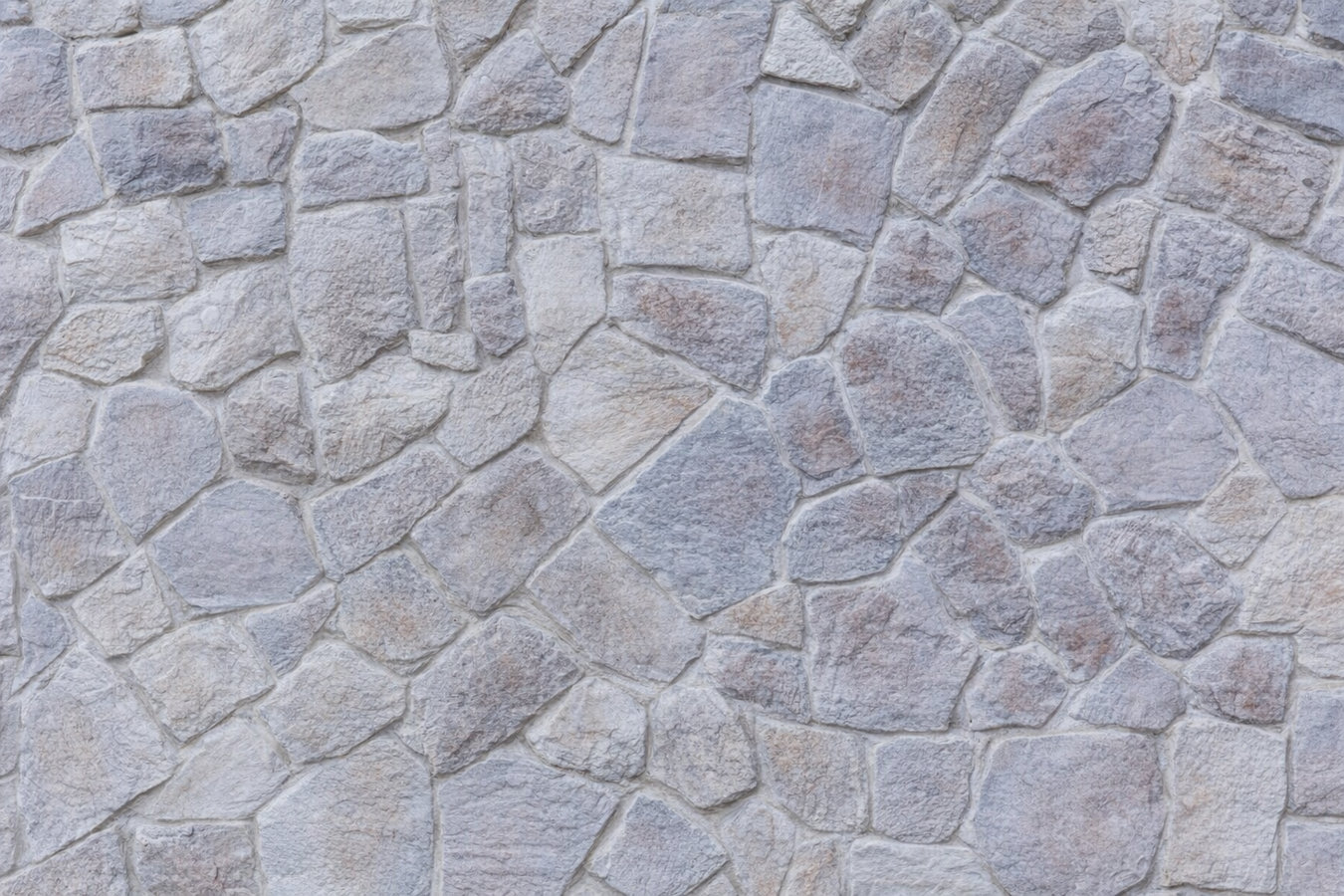
Stone work that cracks after a few winters was built without the right base or mortar. We dig proper footings, use materials suited to this climate, and handle permits - so your stone features hold up for decades, not just seasons.
Stone masonry in Trenton, NJ involves selecting, cutting, and setting natural or manufactured stone with proper mortar and base preparation - most repair jobs finish in one to three days, while new construction like retaining walls or chimney rebuilds typically takes three to seven working days depending on scope.
The mortar between stones is often the first thing to fail - and it matters more than most homeowners realize. Trenton averages around 20 nights per year below freezing, and that repeated freeze-thaw cycle pushes water into tiny gaps, expands it, and slowly forces the joints apart. Catching worn mortar early means a repointing job rather than a full rebuild - which is significantly less expensive. Many homes in Trenton were built between 1880 and 1940, and the original stone mortar on those properties has often simply reached the end of its lifespan.
For homeowners whose stone features also include brick elements needing repointing, our brick pointing service handles mortar joint repair on brick alongside stone work. For properties where stone accents are applied to an existing exterior, our stone veneer installation service covers manufactured and thin-cut natural stone applied to walls and facades.
Run a finger along the joints on any stone surface - chimney, steps, or wall. If the mortar crumbles away or shows gaps you can fit a finger into, it is time to call a mason. This is especially common on Trenton homes built before World War II, where original mortar has reached the end of its lifespan. Catching it early means a repointing job rather than a full rebuild.
Those white stains are called efflorescence. They appear when water moves through the masonry and carries dissolved salts to the surface. In Trenton's climate, this often shows up in spring after a wet winter. It is a reliable sign that water is getting into the structure somewhere - and left alone, that moisture will keep working its way deeper.
If you can see gaps between individual stones, or a stone on a wall or step feels loose when pressed, the structure has moved beyond normal settling. This is particularly common in Trenton where clay soil shifts with the seasons, putting lateral pressure on retaining walls and steps. A shifted stone is not just cosmetic - it signals the underlying structure may be compromised.
Uneven steps are a safety hazard, and they signal that the base beneath the stone has shifted or the mortar has failed. Many Trenton row houses have original bluestone or concrete stoops that have been through a century of winters. If you notice a lip or gap between stones when walking up your front steps, that is worth a professional look before the next icy season.
We work with both natural stone - including New Jersey bluestone and fieldstone - and manufactured stone veneer for residential projects throughout Trenton and the surrounding area. Every project starts with a site visit, because ground conditions, soil type, drainage, and access all shape how the work is designed and priced. For homeowners who want a full stone accent on an exterior wall without the weight and cost of natural stone construction, our stone veneer installation service offers a lighter-weight option applied directly to existing surfaces.
For homeowners with older Trenton properties where the original mortar has worn out, repointing is the most cost-effective first step - it extends the life of the existing stone rather than replacing it. For any project where adjacent brick also needs attention, our brick pointing service handles mortar joint repair on brick walls and chimneys so both materials get addressed in one coordinated visit. We handle permit applications through the City of Trenton Department of Inspections for any project that requires them, and we provide written, itemized estimates before any work begins.
For homeowners wanting a garden border, retaining wall, or boundary feature built from natural or manufactured stone with frost-line footing and proper drainage.
For chimneys where mortar joints have cracked or stone faces have shifted - repointing or selective stone replacement to stop water from entering the chimney structure.
For front stoops and entry steps where stones have shifted, cracked, or pulled apart - resetting on a stable base so the surface is safe and level heading into winter.
For older stone surfaces where mortar has worn or crumbled - cutting out the failed joints and packing in fresh mortar matched to the original material and color.
For homeowners adding or replacing a front or backyard path - natural stone or manufactured stone set on a compacted base with proper slope for water drainage.
For sloped yards or garden beds that need a structural solution - a stone retaining wall with drainage behind it to prevent water pressure buildup after heavy rain.
Trenton's climate is one of the harder environments for masonry surfaces in the region. The city averages around 20 nights per year below freezing, with temperatures swinging repeatedly above and below 32 degrees from November through March. That freeze-thaw cycle is the single biggest reason mortar cracks and stone faces flake - water gets into tiny gaps, freezes, expands, and slowly forces things apart. Stone work that skips proper base preparation or uses the wrong mortar mix will show cracks within a season or two. Parts of Mercer County also sit on clay-heavy soil that expands when wet and contracts when dry, putting extra lateral pressure on retaining walls and footings every year.
The housing stock adds another layer. A large share of Trenton neighborhoods - including Chambersburg, Hiltonia, and Mill Hill - contain row houses and single-family homes built between 1880 and 1940. Many of these homes have original stone chimneys, stone foundation elements, and front stoops that have never been fully rebuilt. That age means the mortar is almost certainly due for repointing, and some structural elements may need more than a surface repair. We serve homeowners throughout Trenton and in neighboring Hamilton, NJ and Lawrence Township, NJ, where similar pre-war housing stock creates the same demand for careful, climate-aware stone work.
Tell us where the stone work is and what you are seeing - loose stones, cracked mortar, a leaning wall, or a new project. We reply within one business day and schedule a time to come look at the site in person, because stone work is difficult to price accurately from a photo alone.
We walk the area with you, check the condition of the stone and mortar, assess the base or footing, and look at drainage. You receive a written estimate that separates labor from materials - so there are no surprises on the final invoice and you can compare it easily against other quotes.
For larger projects - new retaining walls, structural repairs, or anything that changes the footprint of your property - we handle the permit application with the City of Trenton Department of Inspections. Permits typically add one to two weeks to the start date but also mean the work is inspected and documented.
The crew works in a clear sequence: prepare the existing surface, set base or footing if needed, lay or reset stone, and finish the joints. When the job is done, we clean up debris and walk through the finished work with you - including how long to wait before using the surface and any sealing steps to consider.
Free written estimate. No pressure. We reply within one business day.
(609) 913-9756Every stone project we build accounts for the freeze-thaw cycle that shortens the life of masonry in this region. That means proper base depth, the right mortar mix for this climate, and drainage where it is needed - so the work holds up for decades rather than a couple of seasons.
One of the most common frustrations Trenton homeowners report with contractors is vague estimates that balloon once work begins. We provide a written quote that breaks down labor and materials clearly, so you can compare it against other bids on equal footing and know exactly what is covered.
New Jersey requires home improvement contractors to register with the state Division of Consumer Affairs, and we carry that registration. For projects requiring city permits, we handle the application with Trenton's Department of Inspections - so the work is done legally and you have documentation that protects you when you sell.
Many Trenton properties were built over a century ago, and the original stone and mortar on those homes has real character worth preserving. We source stone that matches the existing material as closely as possible - including New Jersey bluestone from regional suppliers - so repairs look like they belong, not like patches. See best practices for historic masonry from the Natural Stone Institute at naturalstoneinstitute.org.
From century-old row house stoops in Chambersburg to newer stone retaining walls in the suburbs, we bring the same approach to every project: proper preparation, the right materials for this climate, and a finished result you can verify before we leave. The Mason Contractors Association of America and the Natural Stone Institute both publish standards and best practices for stone masonry that guide quality work - ask any contractor you are considering whether they are familiar with those resources.
Mortar joint repair for brick walls, chimneys, and facades - replacing worn or crumbling mortar before water finds its way inside.
Learn MoreManufactured or thin-cut natural stone applied to existing exterior walls for a full stone look without structural stone construction.
Learn MoreFall booking slots fill fast - call now to lock in your date before the cold weather closes the window on new work this season.